




Recipe from the Surinamese Cuisine
Moksi Alesi Masoesa
Moksi Alesi Masoesa
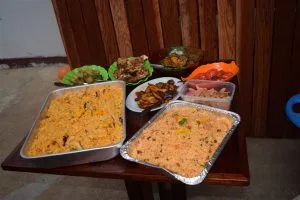
Today I would like to share the recipe for a somewhat lesser-known dish. It is a dish from Creole cuisine called Moksi Alesi . It means mixed rice, and there are well over 18 variations of it. The origin of this dish lies with the slaves who prepared a nutritious and tasty meal using all kinds of leftover meat and fish.
Cooking workshop in Paramaribo
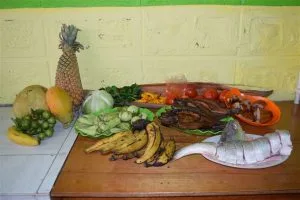
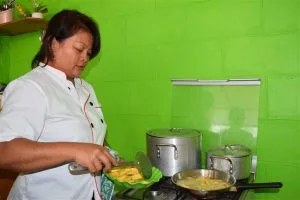
During my visit to Suriname in 2016, I was introduced to the Moksi Alesi Masoesa variant for the first time . Masoesa is a plant in the ginger family. The fruits of this plant are used to color the rice yellow. The rice dish is prepared with fish and cabbage. In Suriname, I learned to prepare the dish during Irene's cooking workshop . She is our regular cook for the cooking workshops we organize in Suriname. Many of our customers have fond memories of her workshop. In any case, that day I learned how to prepare the dish together with our customers Margreet and Marielle. It was a real success; I'm already craving it just thinking back on it! Later, I made it a few more times at home, but my children found the taste of the (smoked) fish a bit too strong, so I used chicken and salted meat instead.


Recipes
Moksi Alesi Masoesa
Ingredients for 4 people:
- 600 grams of rice (steamed rice – washed)
- Masoesa powder (available at the store or alternatively use turmeric for the yellow color)
- 2 tablespoons dried shrimp (soak in water for a minute)
- 200 grams coarsely chopped pointed cabbage
- 1 onion (chopped)
- 2 cloves garlic (chopped)
- 1 large tomato
- 4 tablespoons tomato paste
- 1 madam Jeanette pepper (optional)
- Can of coconut milk
- Add salt or maggi cubes to taste
- 100 grams of smoked fish (or salt meat – desalt first)
- 8 pieces of fish (or chicken)
- Oil for frying/frying
- An ovenproof pan that can also go in the oven
- Clean tea towel (wet)
Preparation
Preheat oven to 220 degrees.
Fry the onion, garlic together with the tomato and tomato puree. Add the soaked shrimp and the smoked fish (or salt meat). For the chicken variant, also add the chicken pieces and fry well. Then stir well and add water (about 3 glasses) and let it boil for about 5 minutes.
Add the washed rice, coconut milk, masoesa powder and let it cook until the moisture has evaporated.
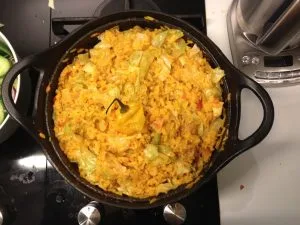
Place the chopped cabbage on top of the rice and stir. Optional: for flavor, place the Madame Jeanette Pepper on the rice (it should not be broken). Cover the pan with a wet, clean tea towel and then place the lid on it. Let the pan steam for another half hour in the preheated oven. Instead of the oven, the pan can also be used on low heat with a simmer plate, making sure that the rice does not burn.
After the steaming time, remove the pan from the oven and carefully remove the pepper. Spicy types can cut the steamed pepper into small pieces and eat it with the dish.
For the variant with fish :
Pickle the fresh fish with garlic and salt and then fry it dry and crispy in the oil, as they are used to in Suriname.
Serve with pickled cucumber and fried banana.
Njan Switi!
Suzette
Want to know more about Surinamese cuisine?
Most people have probably already become acquainted with typical dishes from Surinamese cuisine such as roti, bami, nasi, and pom. The origins of these dishes are as diverse as the population of Suriname. Dishes from Javanese, Creole, Chinese, and Hindustani cuisines can be found. Even Jewish and Lebanese influences can be traced back in Surinamese recipes. And Dutch pea soup has been given a tropical twist. For a complete overview of Surinamese cuisine, I can highly recommend the * Groot Surinaams Kookboek * by Diana Dubois. A reissue has also been published.